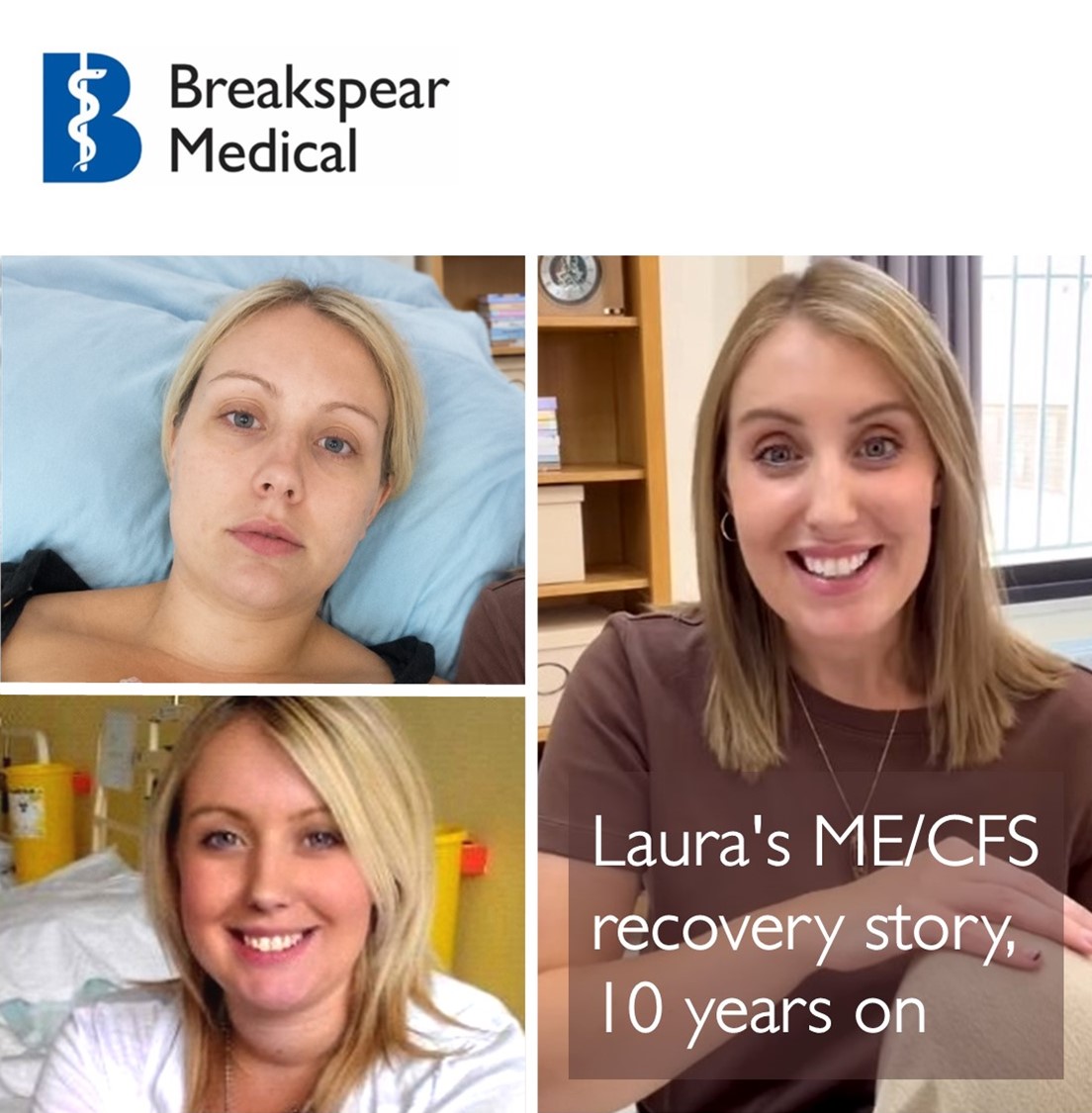
A decade ago, Laura shared how ME/CFS turned her life upside down. Ten years on, we catch up with her to see just how far she's come
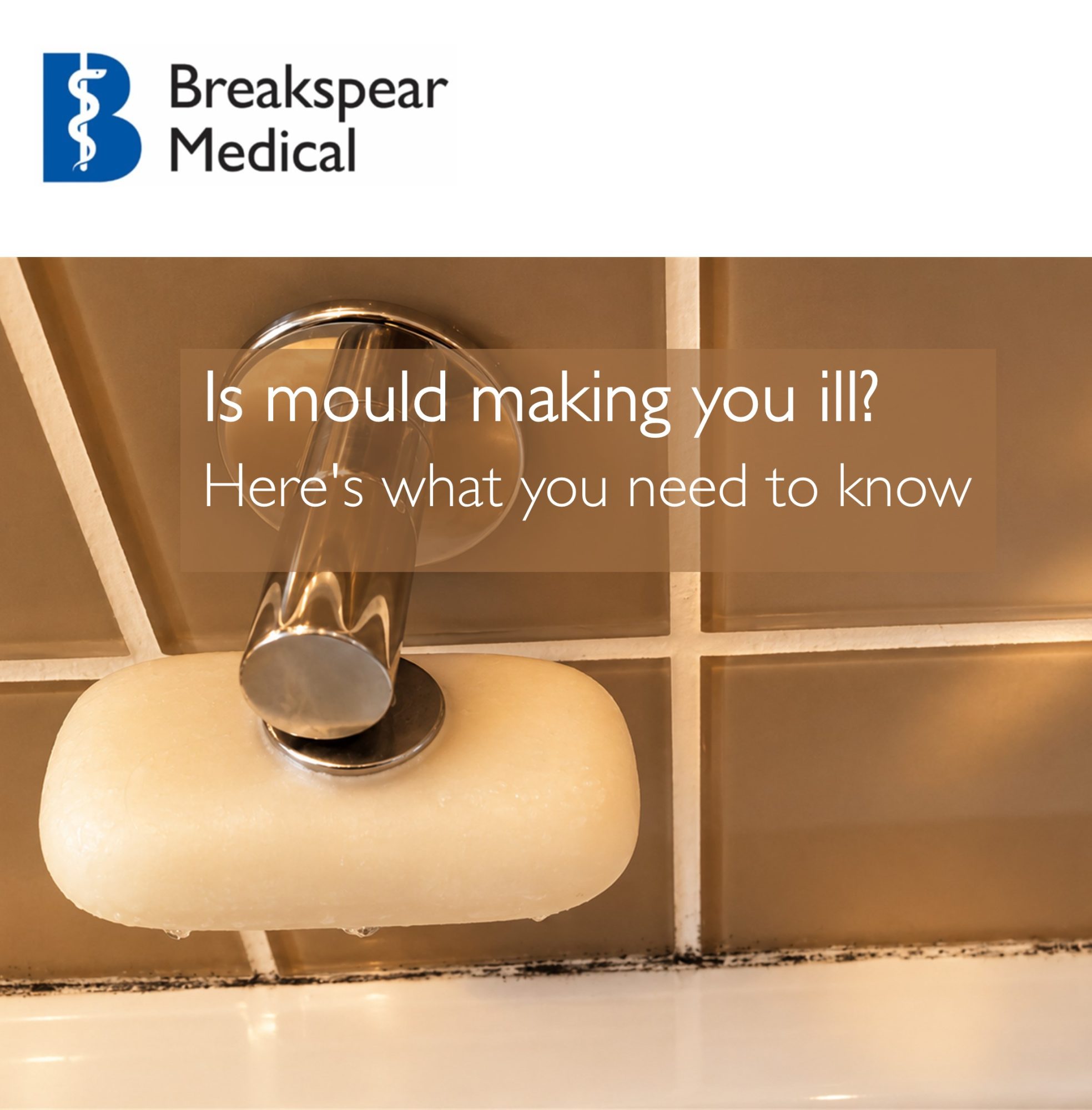
Is mould making you ill? Here’s what you need to know
Mould is one of those things most of us only think about when we spot it. It could be a dark patch in the shower, a musty smell in the wardrobe, a stain creeping across a ceiling. Mould isn’t just unsightly; it’s estimated to be present in well over three million homes across the UK. For many people, it is quietly affecting their health without them ever making the connection.
Here is a practical guide to what mould actually is, how it can affect you, and, most importantly, what you can do about it.
What exactly is mould?
Mould is a type of fungus. Fungi aren’t plants, animals or bacteria; they are their own distinct kingdom of life. Scientists believe there are well over a million different types of fungi in existence, and mould spores are floating around in the air we breathe, indoors and out, pretty much all the time.
Of the roughly 100,000 known species of mould, only about 80 are considered harmful to humans. However, those 80 are linked to a wide range of allergies, respiratory issues, and other symptoms that can be genuinely debilitating, particularly for people with weakened immune systems.
Could mould be behind how you’re feeling?
Mould exposure does not always just cause a stuffy nose. Research (including a widely cited paper in the Scientific World Journal) shows that people exposed to mould can experience a surprisingly broad range of symptoms, such as:
- fatigue
- headaches & dizziness
- joint and muscle pain
- brain fog or memory issues
- anxiety, irritability, or low mood
- sleep problems
- digestive issues
- tremors or balance problems
- skin irritation or unexplained swelling
- heart palpitations
Some people also go on to develop multiple chemical sensitivity (MCS) after exposure, which is a condition where everyday chemicals and smells trigger uncomfortable reactions, which can have a real impact on day-to-day life.
Tip: If you’ve been dealing with a cluster of unexplained symptoms and haven’t found an answer, it’s worth asking, “Could damp or mould in my home or workplace be a factor?”
Why some people are more affected than others
A lot of people do not know that nearly a quarter of the population carries a gene called HLA-DR, which makes it harder for the body to clear mycotoxins (the toxic chemicals some moulds produce). If you carry this gene, you may be far more likely to develop ongoing, chronic symptoms from mould exposure than someone without it. This is one reason two people in the same damp house can have completely different experiences.
Mycotoxins are absorbed through the skin, airways and gut, and can trigger inflammation and oxidative stress in the body. Unlike bacteria, they aren’t destroyed by heat so cooking or boiling will not neutralise them.
Spotting mould before it spots you
Mould thrives in damp, poorly ventilated spaces and it isn’t always visible. Common (and often overlooked) hiding spots include:
- fridge seals, drip trays and the back of cupboards
- window sills and frames where condensation collects
- behind wallpaper or inside walls after a slow, hidden leak
- bathroom and kitchen tiles, grout and extractor fans
- damp clothes, towels or shoes left in a pile
- carpets and upholstery in humid rooms
- around glass exterior doors
- compost bins and food waste caddies
- lofts, basements and anywhere ventilation is poor
Mould can appear within just 48 hours of a flood or leak. It is important to deal quickly with any water damage.
8 practical tips to prevent & tackle mould at home
Since most of us spend 80–90% of our time indoors, keeping our homes mould-free is one of the simplest things we can do for our health. A few easy habits go a long way:
- Ventilate steamy rooms. Use extractor fans in kitchens & bathrooms, and crack a window when cooking or showering.
- Use a dehumidifier in rooms that tend to feel damp, particularly throughout the winter.
- Clean fridges regularly, both inside and outside, paying special attention to the drip channels and door seals.
- Don’t eat “the good bit” of mouldy bread or food. If you can see mould, the rest is contaminated, too, even if it looks fine.
- Cover houseplant soil with clean gravel to stop mould growing on the surface.
- Deal with damp laundry promptly. Don’t leave wet towels, gym kit or shoes piled up.
- Check hidden spaces. Be sure to check lofts, basements, behind furniture pushed against external walls every so often.
- Wipe small mould patches with a hydrogen peroxide or borax solution as soon as you spot them.
For larger infestations, such as after a flood, or mould that has spread across a wall or ceiling, it is genuinely worth calling in professionals. They will have the right protective equipment and know how to remove it safely, without spreading spores further around your home.
A word of caution: if you have cleaned a mouldy area but can still smell damp, it may be growing unseen, inside a wall cavity or under wallpaper. That is a sign that it is time to bring in a specialist.
The five usual suspects
Most household mould falls into one of five common types:
| Mould | Colour | Where you’ll find it |
|---|---|---|
| Alternaria | Dark green/brown | Common spring–autumn; allergy-causing |
| Aspergillus | Yellow-green | Everywhere; mostly harmless but risky for weakened immune systems |
| Cladosporium | Olive green/brown | Wet buildings; can trigger asthma |
| Penicillium | Green/blue | Very common; causes food spoilage |
| Stachybotrys (“black mould”) | Black | Wet buildings; produces mycotoxins and allergens |
Think mould might be affecting your health?
If you live or work in a damp or previously water-damaged building, or you are dealing with unexplained fatigue, joint pain, brain fog, or respiratory symptoms, it may be worth investigating whether mould or mycotoxin exposure is playing a role.
At Breakspear Medical, we use a range of accredited laboratory tests to help determine whether mould and mycotoxin exposure could be contributing to a person’s ill health. Based on your results, our clinicians can put together personalised recommendations, which may include supported detoxification, to help you start feeling better.
Related Posts