 Before LDI, I could only tolerate around 8–12 foods and would experience vomiting with others. Since having LDI, I can eat a wide variety of foods without any issues. I’m at a healthy weight, no longer experience vomiting, and my energy and strength have improved greatly. I’m incredibly grateful to Breakspear; it has made a huge difference to my life.”
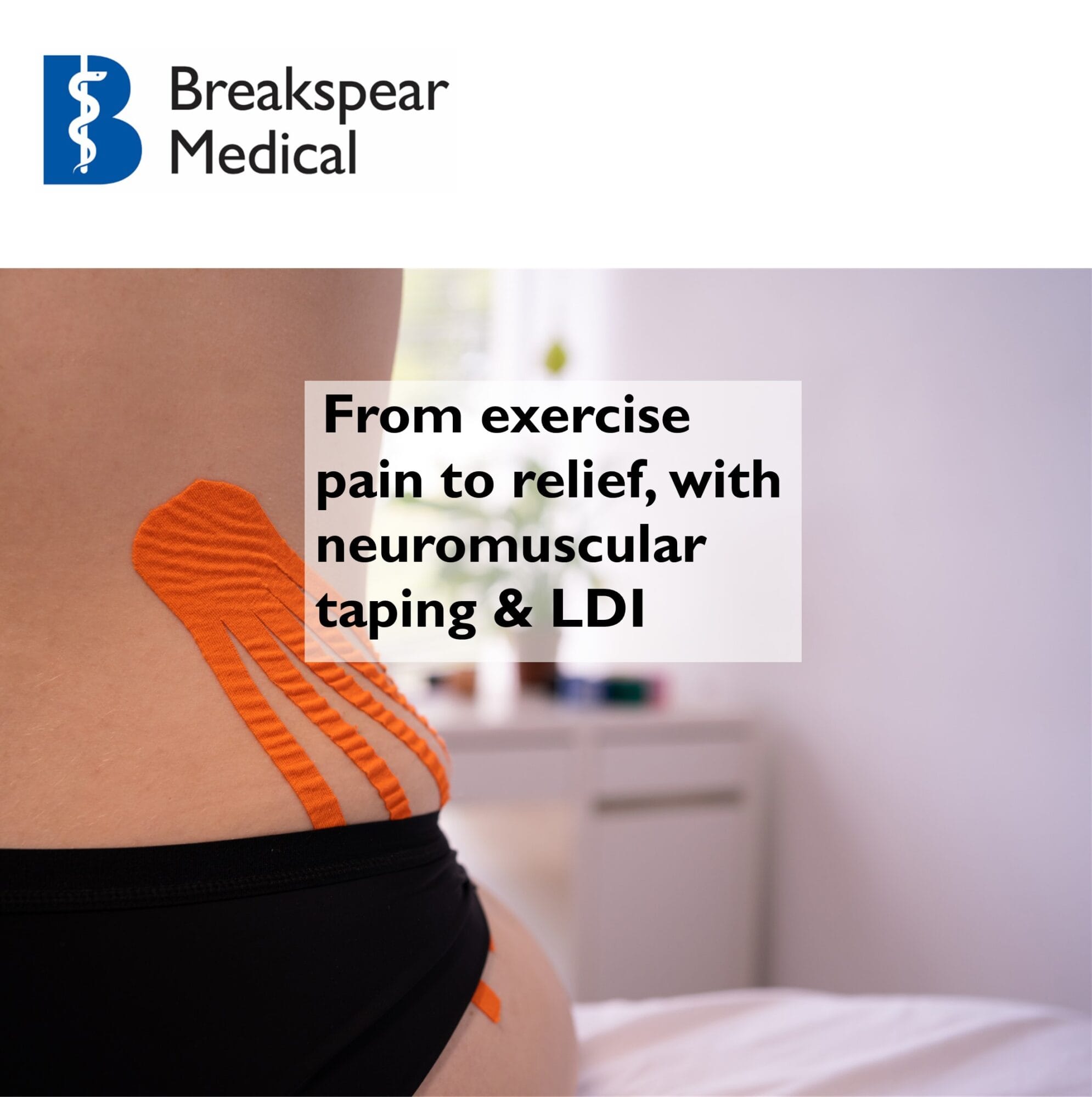
When Sandy, a woman in her late 80s, experienced sudden back pain after decorating for Christmas, she turned to the treatments she'd learned at Breakspear Medical. Within 5 minutes of combining neuromuscular taping with her LDI protocol, all her pain vanished. Her story reveals how understanding your body's unique responses, including histamine intolerance and food sensitivities, can lead to rapid, lasting relief.
Beyond antihistamines: what the BBC got right about hay fever & what else is worth highlighting
A recent BBC Future article brought welcome attention to allergen immunotherapy, which is the idea that hay fever can be addressed at its source rather than managed only through symptom relief. The article was well‑researched and reflects a growing public interest in long‑term, science‑based solutions for seasonal allergies.
At Breakspear Medical, we were encouraged to see this spotlight on immunotherapy. In this blog, we aim to build on that conversation by adding a few additional perspectives from the fields of allergy and environmental medicine, which are areas of special interest that we have worked in for more than 40 years.
The good news: immunotherapy truly makes a difference
The BBC article highlights robust evidence showing that allergen immunotherapy (AIT) is one of the most effective approaches available for hay fever. Rather than simply reducing symptoms, AIT helps retrain the immune system so that harmless substances, such as pollen, no longer trigger an excessive response.
The article cites compelling research:
- In one clinical trial, people receiving sublingual immunotherapy experienced severe symptoms on only 6% of allergy‑season days, compared with 16% in the placebo group.
- Multiple studies demonstrate that benefits can continue for years after treatment ends.
- In a trial of more than 800 children, those taking allergen drops were 29% less likely to develop asthma symptoms compared with the placebo group.
These findings echo what we have observed clinically at Breakspear Medical. Immunotherapy isn’t a quick fix, however, for many individuals, it can be genuinely transformative.
Before LDI, I could only tolerate around 8–12 foods and would experience vomiting with others. Since having LDI, I can eat a wide variety of foods without any issues. I’m at a healthy weight, no longer experience vomiting, and my energy and strength have improved greatly. I’m incredibly grateful to Breakspear; it has made a huge difference to my life.”
Expanding the conversation: different ways to personalise care
The BBC article discussed several widely used immunotherapy formats, including subcutaneous injections (SCIT) and sublingual treatments (SLIT). These methods are well‑established and beneficial for many people.
At Breakspear Medical, we complement the field of immunotherapy by offering an additional, highly personalised approach we call Low‑dose Immunotherapy (LDI).
Our approach: Low‑dose Immunotherapy (LDI)
LDI, also known as provocation/neutralisation, has been used for decades within the field of allergy and environmental medicine. It takes a personalised approach by identifying the exact concentration of an antigen that neutralises a patient’s reaction. This “neutralising endpoint” then forms the basis of ongoing treatment, administered either by injection or sublingually.
LDI offers several key benefits:
- Extensive allergen coverage
We can test and treat more than 500 allergens, including pollens, moulds, foods, dust mites, animal dander, and environmental chemicals. - Individually prepared antigen blends
Each treatment is bespoke and produced in our licensed UK laboratory without added preservatives or unnecessary chemicals. All formulations are stored in glass vials to avoid plastic leaching. - Very low risk of anaphylaxis
Because LDI uses neutralising doses rather than escalating concentrations, the likelihood of severe reactions is minimal.
Clarifying what LDI is & isn’t
LDI is a specialist technique within allergy and environmental medicine and differs in methodology from SCIT and SLIT. It is used for individuals who may benefit from a more personalised approach.
It is not a one‑visit or one‑dose solution. Many patients receive the best results through regular retesting, often every three months, alongside daily self‑administered treatment programmes. For people with complex or multiple sensitivities, this focused, ongoing approach can be particularly valuable.
Hay fever deserves thoughtful care
The BBC Future article makes an important point, which is that hay fever is often underestimated. It can affect sleep, concentration, and school performance, increase susceptibility to respiratory infections, and, when untreated, contribute to the development of asthma.
Many individuals with severe or complex allergies benefit from in‑depth assessment and a personalised treatment strategy, which Breakspear Medical has specialised in since 1982.
Could LDI be right for you?
If you haven’t found sufficient relief from the allergy treatments you’ve already tried, or if your allergies appear to involve multiple triggers, we would be pleased to discuss LDI and suggest other element of our integrative approach that may be suitable. Every first appointment includes a thorough history and clinical assessment to ensure patients receive the most appropriate care.
➤ Book a consultation with our Clinical Team
Call: +44 (0)1442 261 333
Visit: breakspearmedical.com/appointments
Related Posts